If you’re planning to launch an online store, one of the first big decisions you’ll face is choosing the right business model. Two of the most popular options today, Print on Demand (POD) and dropshipping, allow you to sell products without holding inventory, taking on financial risk, or managing your own shipping.
While they may look similar at first glance, each model serves a different type of entrepreneur and offers unique advantages depending on your goals. This guide breaks down Print on Demand vs. dropshipping, explaining how they work, what they cost, and which option will help you build a profitable online business.
What Is Print on Demand?
Print on Demand (POD) is an eCommerce fulfillment method where products are manufactured only after someone has placed an order. Instead of buying inventory upfront or storing stock, you partner with a POD supplier who prints your design onto items—such as T-shirts, hoodies, mugs, posters, hats, or tote bags—and ships them directly to your customer.
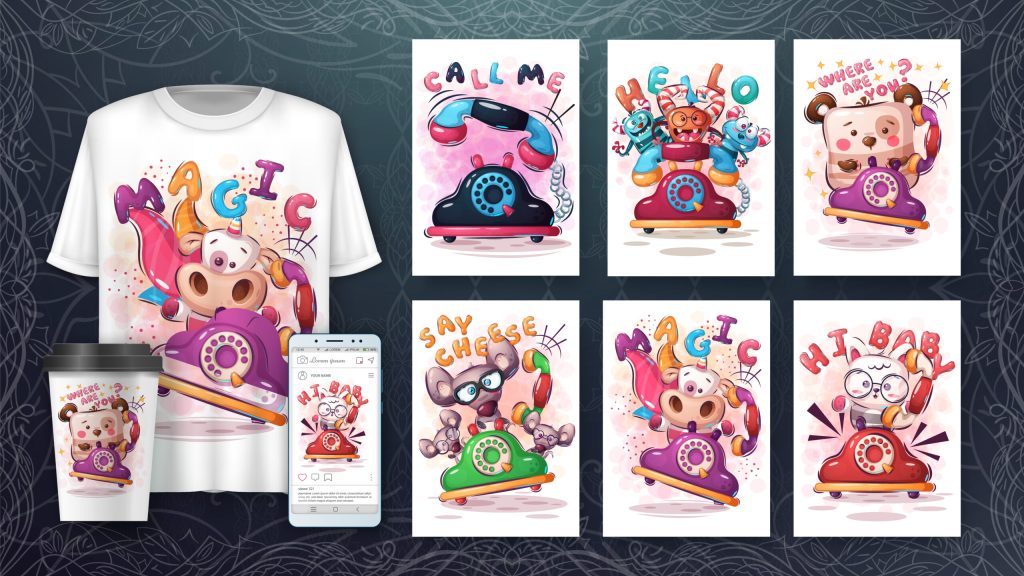
Think of POD as the perfect blend of creativity and automation. You create the artwork, slogan, or design… and your fulfillment partner handles everything else.
Who POD is ideal for
Print on Demand works best for:
- Creators, artists, and designers who want to monetize their work
- Entrepreneurs looking to build a recognizable brand
- Sellers with a niche audience (e.g., dog lovers, hikers, gamers, teachers)
- Anyone who wants to start an online business with zero inventory risk
How the Print on Demand process works
Start by choosing a print-on-demand platform like Printify or Printful. From there, pick the blank products you want to sell and upload your custom designs to them.
Once your products are ready, sync them to your online store, whether that’s an Etsy shop, Shopify store, or another marketplace. When a customer places an order, the supplier takes care of everything behind the scenes—they print the design, package the product, and ship it directly to the buyer.
Because there’s no need for bulk orders, packing, or manual fulfillment, print-on-demand removes most of the logistical work. That’s what makes it one of the easiest and most beginner-friendly ways to start an online business.
What Is Dropshipping?
Dropshipping is another inventory-free eCommerce model where the supplier stores and ships products on your behalf. Unlike Print on Demand, however, dropshipping typically involves pre-made products that you cannot customize.
Instead, your role is to find trending products, list them in your store, set a retail price, and let the supplier fulfill the order whenever it sells.
Dropshipping offers a huge product variety—from gadgets and home decor to beauty accessories, fitness gear, kitchen tools, car accessories, pet products, and more—making it a flexible model for testing what customers want.
Who dropshipping is ideal for
Dropshipping is a good fit if you want to:
- Quickly test multiple product ideas without upfront cost
- Sell trending items and capitalize on fast-moving eCommerce trends
- Build a general or niche store without designing anything yourself
- Start a business fast with a minimal learning curve
How the dropshipping process works
Start by researching products from one or more dropshipping suppliers and selecting items that fit your store’s niche. Once chosen, add them to your store and set your own retail prices.
When a customer places an order on your website, you forward the order details to the supplier and pay the wholesale cost. The supplier then ships the product directly to your customer, usually from the nearest fulfillment center to keep delivery times short.
With the logistics handled for you, this model lets you focus on marketing, customer support, and growing your store, rather than managing inventory or shipping yourself.
Print on Demand vs. Dropshipping: A Complete Breakdown
When comparing Print on Demand vs. dropshipping, it helps to understand how each model performs in real-world conditions—especially when it comes to difficulty level, fulfillment speed, day-to-day operations, and the costs involved. While both models eliminate the need for inventory, they require slightly different workflows and levels of involvement.
Below is a comprehensive, easy-to-follow comparison to help you decide which model aligns best with your goals and experience level.
1. Difficulty Level: How Easy Is It to Get Started?
Print on Demand (POD)
For most beginners, Print on Demand offers one of the simplest on-ramps into eCommerce. You don’t need upfront capital, product storage, or complicated setups. As soon as you upload your designs and publish them to your store, you’re essentially ready to start selling.
What determines the difficulty level is the POD supplier you partner with.
Platforms like Printify streamline the process by helping sellers choose the optimal print provider. Tools such as Printify Choice automatically match each order with a Provider known for fast production and consistent quality. Sellers who prefer hands-on control can compare suppliers manually through ratings, price comparisons, and fulfillment data.
Once your store is live, your results depend largely on:
- The strength of your design style
- Choosing the right niche and understanding your audience
- Your marketing strategy and ability to drive traffic
If you’re creative or interested in building a brand, POD provides a beginner-friendly model with minimal setup barriers.
Dropshipping
Dropshipping can also be accessible for newcomers, but the ease of use varies significantly depending on the tools you rely on.
For example, using AliExpress alone may seem simple in the beginning—there are no upfront fees, and you can choose from thousands of products. But the workflow quickly becomes manual and repetitive:
You must locate the correct item, enter the customer’s address, and place the wholesale order every time someone buys from your store. As your sales increase, this becomes inefficient and opens the door to shipping mistakes.
To avoid this, many sellers use automation platforms such as DSers, Spocket, or Zendrop, which streamline order processing and sync inventory automatically. These systems significantly reduce manual work, but most require a paid subscription, meaning you’ll face startup costs before launching.
If you prefer plug-and-play automation and don’t mind paying for tools, dropshipping can be straightforward. Without automation, however, the learning curve grows quickly.
2. Inventory & Fulfillment: How Orders Are Processed
Although both models allow you to sell products you never physically handle, their fulfillment methods differ in ways that can affect delivery times and customer satisfaction.
Print on Demand
Because POD products are manufactured only after a customer places an order, there is naturally an additional production window before the item ships. A shirt or mug isn’t sitting on a shelf—it’s printed, pressed, or embroidered on demand.
Platforms like Printify help sellers anticipate this by displaying average fulfillment times for every Provider so you can set accurate delivery expectations on your product pages.
Stock availability can sometimes fluctuate depending on the supplier. To prevent delays, Printify’s Order Routing automatically redirects orders to another qualified print provider if your primary one is out of stock—often selecting a facility closer to the customer, which can shorten delivery times and reduce shipping costs.
Dropshipping
In dropshipping, products are already manufactured and stored in warehouses. Since the items are ready to ship, delivery can often be faster than print-on-demand—especially when suppliers hold stock in multiple regions.
That said, inventory risk still exists because you rely on third-party suppliers whose stock levels can change without warning. If inventory isn’t synced in real time, sellers may end up overselling products that are no longer available.
Some modern dropshipping platforms help reduce this risk by offering features like live stock updates, automatic vendor replacement, and alerts when products run low. However, these tools vary by provider, so keeping a close eye on inventory is still an important part of running a successful dropshipping store.
3. Costs & Fees: What You’ll Pay to Run Each Model
Whether you choose Print on Demand or dropshipping, running an eCommerce store comes with foundational expenses. These may include:
- Platform subscription fees (e.g., Shopify, Wix)
- Marketplace fees (e.g., Etsy listing fees)
- Payment processing fees
- Optional marketing and advertising costs
Shipping fees are typically passed on to the customer unless you choose to offer free shipping—something many sellers do to boost conversions, often by rolling shipping costs into the retail price.
Where POD and dropshipping differ most is in how fulfillment is priced.
Print on Demand Costs
In print-on-demand, your main cost comes from printing and production. This price varies depending on the type of product you’re selling, such as a hoodie, mug, or tote bag, the printing method used—whether it’s DTG, embroidery, or sublimation—and any customization options you add, like pack-ins or branded labels.
Some POD providers, including Printify, also offer bulk order discounts when you purchase in larger quantities. This can significantly improve your profit margins as you scale, or if you decide to stock best-selling items for events, pop-ups, or wholesale opportunities.
Dropshipping Costs
In dropshipping, your primary cost is the wholesale price of the product. The gap between that cost and the retail price you set is where your profit comes from.
Some suppliers also add extra charges, such as monthly membership fees, per-order or transaction fees, sales commissions, or fees for advanced automation tools. These costs can add up over time.
Because many popular dropshipping products are highly competitive, profit margins are often thinner. To offset this, successful sellers usually focus on differentiation—through stronger branding, product bundles, or a more premium customer experience.
4. Product Customization: How Much Creative Control Do You Have?
Print on Demand (POD)
One of the biggest reasons entrepreneurs choose Print on Demand is the unmatched ability to create fully customized products. Instead of selling generic items that everyone else offers, POD allows you to turn your original artwork, quotes, or branded designs into sellable merchandise. This instantly helps your store stand out in a crowded marketplace and attract customers who want something unique.
Modern POD platforms make this process even easier. For example, Printify’s Product Creator gives sellers access to built-in design tools, including:
- An AI Image Generator for creating original artwork
- A drag-and-drop editor for graphics and typography
- A library of ready-made elements and design assets
- A Trends tool that highlights popular topics and helps you design best-sellers faster
Whether you’re an artist or a beginner exploring digital design, POD removes the barriers to creating branded, personalized products on demand.
Dropshipping
Traditional dropshipping does not allow customization because you’re selling pre-made items directly from suppliers. Unless you invest in private-label dropshipping—which usually requires higher order quantities and larger budgets—your products will look the same as everyone else selling that item.
Because you can’t rely on unique products to differentiate your store, your success depends heavily on:
- Picking trending, high-demand items
- Running strong ads
- Providing an exceptional customer experience
- Building trust through branding, copywriting, and social proof
Customization is possible only through specialized suppliers, but this shifts the model closer to wholesale or private-label ecommerce rather than classic dropshipping.
5. Product Selection & Quality: What Can You Sell?
Print on Demand (POD)
POD catalogs focus on items that can be personalized with printed designs. Typical product types include:
- T-shirts, hoodies, sweatshirts
- Mugs and drinkware
- Phone cases
- Tote bags and accessories
- Posters, canvas prints, wall art
- Stickers, notebooks, and small gifts
Because printing methods and materials vary by provider, product quality is not universal across the industry. That’s why it’s essential to check reviews, compare suppliers, and always order samples before listing products in your store.
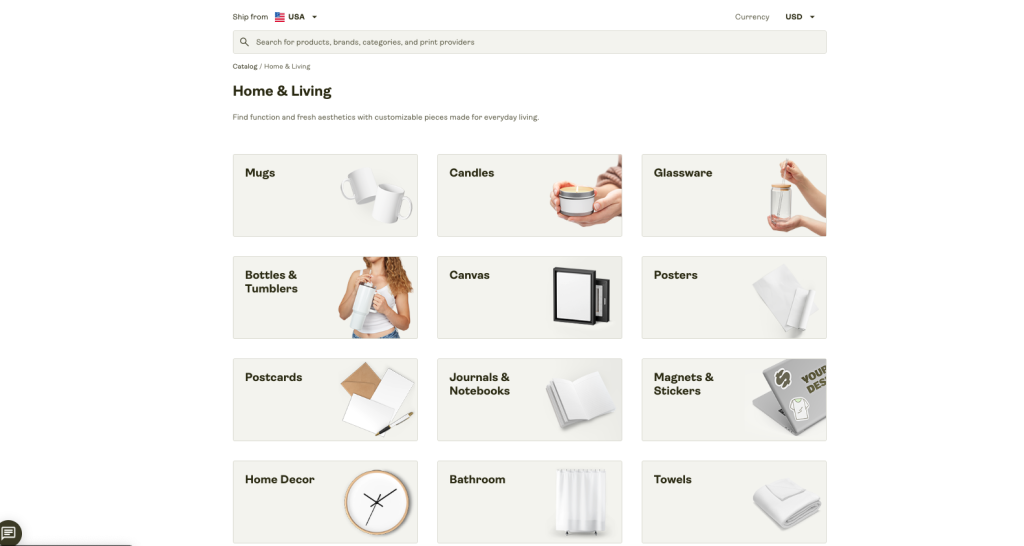
Platforms like Printify pre-screen and monitor their Print Providers to ensure consistent quality standards, competitive pricing, and fast fulfillment—giving sellers more confidence in what they’re offering.
Dropshipping
Dropshipping offers one of the widest product ranges in all of ecommerce, often covering thousands of categories, such as:
- Household gadgets and kitchen tools
- Home décor and furniture
- Beauty accessories
- Electronics and smart devices
- Fitness and outdoor equipment
- Automotive accessories
- Pet supplies
Because the market is so diverse, supplier reliability also varies significantly. Some manufacturers produce excellent products, while others may fall short in durability, packaging, or accuracy.
Ordering test samples is an important step before selling any product. It allows you to check the product quality, evaluate shipping speed, inspect the packaging, and see how responsive the supplier is.
By doing this upfront, you can catch potential issues early, avoid customer complaints, and reduce the risk of refunds or chargebacks later on.
6. Branding Opportunities: How Much Control Do You Have Over Customer Experience?
Print on Demand (POD)
Ordering test samples is an important step before selling to real customers. It allows you to evaluate product quality, shipping speed, packaging condition, and how responsive the supplier is when issues come up. Taking this step early helps prevent customer complaints and lowers the risk of refunds or chargebacks.
Branding also plays a major role in turning one-time buyers into repeat customers. Many print-on-demand suppliers let you add branding elements such as custom neck labels, branded packaging, pack-ins like thank-you cards or discount codes, and even personalized wrapping or stickers.
These small details elevate the unboxing experience and make your brand feel more intentional and professional. For sellers who want to build a cohesive, memorable brand—and potentially expand into new product categories over time—print-on-demand offers the flexibility to grow at your own pace.
Dropshipping
Dropshipping typically offers limited or no product-level branding, since you’re selling generic items straight from a supplier’s warehouse. While this doesn’t prevent you from building a profitable business, it does require more emphasis on external branding elements such as:
- A well-designed website
- Strong visuals and consistent messaging
- Clear, persuasive product descriptions
- High-quality customer service
- Fast response times and transparency
Many successful dropshipping stores thrive not because of custom products, but because they excel at targeting the right niche, storytelling, and creating a trustworthy online presence.
7. Competition: How Crowded Is Each Market?
Print on Demand (POD)
One of the biggest advantages of Print on Demand is the ability to avoid direct product competition. Since your items feature designs you created—or commissioned—they’re inherently unique. Even if another seller offers a similar product type, such as a T-shirt or mug, the artwork and message set your brand apart.
This built-in differentiation is a major reason many entrepreneurs choose POD instead of dropshipping. When you create original designs and target a well-defined niche—like teachers, pet lovers, fitness enthusiasts, or hobby communities—you build a brand that doesn’t compete on price alone. You’re selling creativity, personality, and identity, not just a commodity.
Successful POD merchants consistently focus on:
- Niche-specific messaging
- Unique visual identity
- Consistent branding
- Trend-driven product development
With the right niche strategy, POD can be far less saturated and far more scalable than selling generic products.
Dropshipping
Ordering test samples is an essential step before fully committing to a product. It allows you to evaluate product quality firsthand, assess shipping speed, and see how items arrive in terms of packaging and overall presentation. You’ll also get a sense of how responsive and reliable the supplier is. Taking this step early helps prevent customer complaints and reduces the risk of refunds or chargebacks later on.
Branding plays a major role in turning one-time buyers into loyal customers. Many print-on-demand suppliers make it easy to add branding elements such as custom neck labels, branded packaging, or pack-ins like thank-you cards and discount codes. Some even offer personalized wrapping or stickers. These small details elevate the unboxing experience and strengthen your brand identity. For sellers aiming to build a cohesive, memorable brand—and potentially expand into new product categories over time—POD offers the flexibility to grow with purpose.
Dropshipping, on the other hand, comes with a different competitive challenge. Because many sellers source from the same suppliers, it’s common to see identical products sold across multiple stores, often at similar prices. This makes differentiation harder unless you stand out through strong branding, smart marketing, and a great customer experience.
To stay competitive, successful dropshippers focus heavily on trend spotting and fast product testing, choosing the right niche, pricing strategically, and creating high-quality visuals paired with compelling ad campaigns. While dropshipping can still be profitable, the low barrier to entry means competition is intense. Those who win are usually the ones who invest deeply in product research and execute their marketing better than the rest.
8. Minimum Order Requirements
Print on Demand (POD)
POD offers complete flexibility with no minimum order requirements. You can sell one item, ten items, or hundreds—whatever your customers buy is what gets produced. This makes POD ideal for:
- Small creators
- New businesses
- Niche brands
- Test launches
- Seasonal collections
You only pay for production when a customer places an order, which keeps financial risk low and scalability high.
Dropshipping
Most dropshipping services also allow you to purchase products individually as your customers order them. However, some suppliers—especially specialized or private-label providers—may require minimum monthly sales volumes or activity levels to maintain your account or to access premium items.
This isn’t common with beginner-friendly dropshipping, but it becomes more relevant as you move toward higher-end suppliers.
9. Shipping Times: What Customers Should Expect
Print on Demand (POD)
Because print-on-demand products are created only after an order is placed, delivery times include both production and shipping. Production typically takes a few days, depending on the supplier and the printing method used, before the item is even dispatched.
Platforms like Printify help minimize delays by working with a global network of print providers. Orders are automatically routed to the provider closest to the customer whenever possible, which helps shorten shipping times. Sellers can also view shipping rates and estimated delivery windows in advance, and compare different providers before listing products.
These features make it easier to set realistic expectations with customers and offer more reliable delivery estimates—both of which play a big role in maintaining trust and overall customer satisfaction.
Dropshipping
Dropshipping shipping speeds can vary greatly, largely depending on where your supplier stores and ships its products. Many low-cost suppliers operate from centralized warehouses overseas, which often results in longer delivery times. Customers may also experience customs delays, unexpected import fees, and tracking updates that are inconsistent or slow to refresh.
If your primary customers are located in the U.S., U.K., Canada, or Australia, overseas fulfillment can easily push delivery times to one to three weeks. This can become a major drawback unless you work with suppliers that offer domestic fulfillment options in those regions.
To reduce shipping delays, some sellers choose to partner with regional dropshipping warehouses, use faster shipping lines, or work with suppliers that keep stock locally. While these solutions can improve delivery speed and reliability, they usually come at a higher cost, which can ultimately reduce profit margins.
10. Profit Margins: How Much Can You Really Earn?
Print on Demand (POD)
Profitability in print-on-demand is closely tied to the perceived value of your design and the quality of the product you choose. Because you’re creating something unique, customers are often willing to pay more for originality—especially in niche markets.
For example, POD sellers using Printify can offer premium basics like a soft unisex cotton tee for around $8–$9 in base cost. With a strong design that resonates with a specific audience, it’s common to price the same shirt at $20 or more. That leaves room for a healthy margin, often around 50–60%, depending on your niche and how you structure shipping.
But the reverse is also true:
If your designs are overly generic or lack emotional appeal, customers are less willing to pay higher prices—leading to smaller margins and more difficulty scaling. In POD, branding and creativity are powerful drivers of profitability.
Dropshipping
Dropshipping typically offers lower product costs because items are mass-manufactured and sold at wholesale prices. It’s not unusual to find apparel, gadgets, or home accessories for a few dollars each. For instance, trendy apparel sourced through a dropshipping directory may cost as little as $3.
Lower costs mean more flexibility in how you price your products, but competition makes it harder to maintain high margins. Since many sellers list the exact same item, customers often compare stores based on price, shipping speed, and reviews.
As a result, average dropshipping profit margins usually land in the 15–20% range—much thinner than POD margins. Sellers who thrive in dropshipping typically rely on:
- Volume selling
- Upsells and bundles
- Fast, well-optimized ads
- Strong niche selection
The business can scale, but it requires sharper marketing and constant testing to stay profitable.
11. Integrations: Connecting Your Store With Your Fulfillment Partner
Print on Demand (POD)
Most modern POD platforms integrate seamlessly with popular eCommerce builders and marketplaces, allowing sellers to automate large portions of their workflow. Integrations commonly include:
- Shopify
- Etsy
- WooCommerce
- Wix
- BigCommerce
- eBay
- TikTok Shop (varies by provider)
These integrations make it possible to publish products directly from your POD dashboard and sync order information automatically. When a customer buys something from your store, the order instantly routes to the print provider—no spreadsheets, copy-pasting, or manual submissions needed.
This automation is a huge time-saver and keeps fulfillment fast, consistent, and error-free.
Dropshipping
Dropshipping platforms also support many leading eCommerce integrations, but the flexibility varies depending on the supplier. A major difference is that some marketplaces—particularly Etsy—restrict dropshipped items as they prefer handmade or custom goods. POD sellers often have an easier path on Etsy because their items involve customization or original artwork.
If you source items from marketplaces like AliExpress, you’ll typically need an automation tool such as:
- DSers
- Spocket
- Zendrop
- AutoDS
These apps sync tracking information, handle inventory updates, and automatically place orders with suppliers. Without these tools, dropshipping becomes far more manual and time-consuming.
The Hybrid Approach: Why Many Sellers Combine Print on Demand and Dropshipping
As eCommerce evolves, more entrepreneurs are discovering that they don’t have to choose between print-on-demand and dropshipping. In fact, some of the most successful online stores blend both models to maximize flexibility, profitability, and product variety.
This hybrid strategy allows sellers to test ideas quickly, build a memorable brand, and meet customer demand without committing to large inventory investments.
Using Dropshipping to Validate Ideas Before Creating POD Products
One of the smartest ways to combine both models is to use dropshipping as a testing ground before committing to custom products. For instance, you might notice a specific wall art style performing well through a dropshipping supplier. Rather than competing with dozens of sellers offering the exact same design, you can use Print on Demand to create your own original artwork inspired by that trend.
This strategy allows you to sell a product that’s unique to your brand, while also enjoying better long-term profit margins. You gain more control over how the product is positioned and priced, and you’re no longer relying solely on shipping speed or discounts to stay competitive.
By validating ideas first and then turning proven sellers into custom POD products, you avoid price wars and gradually shift your store from selling commodities to building a recognizable brand.
Using Dropshipping to Expand Your POD Store’s Catalog
Sometimes, customers want products your POD supplier simply doesn’t offer. For instance, a store selling personalized home decor might start with POD pillows, posters, or mugs—but customers may also ask for complementary items like:
- Ambient lighting and LED lamps
- Wall-mounted shelves
- Decorative organizers
- Accent furniture
- Seasonal decor pieces
These items typically fall outside POD capabilities but fit perfectly within dropshipping. Adding them allows you to offer a more complete shopping experience without purchasing inventory upfront.
This hybrid approach helps you:
- Increase average order value
- Create themed collections or bundles
- Meet customer demand without overextending
- Build a richer, more versatile product lineup
When Should You Expand or Switch Your Business Model?
Both POD and dropshipping offer strengths—but depending on your goals, one may serve you better at different stages of your business. Here’s how to know when it’s time to branch out.
If You’re Currently Dropshipping, Consider Adding POD When You Want To:
Avoid direct price competition: Generic dropshipped products often lead to saturated markets where sellers compete only on price. POD allows you to differentiate through creativity and branding.
Charge premium prices for custom, unique items: Customers happily pay more for personalized merchandise, helping you increase margins and build customer loyalty.
Build a long-term brand instead of chasing trends: Custom POD products give you full creative and branding control, making your store more sustainable and memorable.
If You’re a POD Seller, Consider Adding Dropshipping When You Want To:
Test new product categories without designing anything: Dropshipping lets you validate demand before investing time in new artwork or creating full POD collections.
Expand into products where customization isn’t necessary: Some items—such as gadgets, tools, organizers, or home accessories—sell well without personalization.
Offer higher-ticket products most POD suppliers don’t produce: Think furniture, electronics, fitness equipment, or specialty decor. These categories can dramatically increase your average order value.
Final Thoughts: Which eCommerce Model Fits Your Goals Best?
When comparing Print on Demand vs. dropshipping, there isn’t a single “best” option. Each model shines in different scenarios, and the right choice depends on the type of business you want to build.
If you’re driven by creativity, want to serve a highly defined niche, or dream of building a brand with unique products no one else can sell, Print on Demand is the clear winner. It gives you full control over design, branding, and product originality—allowing you to stand out without needing a large upfront investment.
If customization isn’t essential and you prefer selling practical, trending, or problem-solving products, dropshipping may suit you better. It’s an efficient way to test broad categories, experiment with new items, and quickly adapt to market trends.
And for many entrepreneurs, the most powerful approach is a hybrid model—using POD to build brand identity while using dropshipping to expand into additional categories and boost average order value.
The beauty of both models is that you can start with almost no risk. You don’t have to manage production, store inventory, or worry about shipping logistics. You simply focus on creating great products, marketing your store, and building relationships with your customers.
Ready to start your own eCommerce business without the upfront costs?
Explore what’s possible with Printify and start selling custom products today—for free. Your first bestselling product could be just one design away.