If you’re a creative professional or someone who simply loves making beautiful things, you probably spend hours working on artwork, design ideas, or passion projects. The good news? Those same skills can become reliable income streams. And you can do side hustles even while holding a full-time job.
In this guide, you’ll explore some of the best side hustles for creatives. You’ll learn what they are, why they work, and how to get started without burning out. Whether you’re a graphic designer, illustrator, digital artist, photographer, or a multi-talented creator, you’ll find practical ways to make money doing work you genuinely enjoy.

How to Choose the Right Creative Side Hustles for You
With so many potential income streams available, the hardest part is often deciding which creative side hustles to start. The right choice should fit your strengths, your lifestyle, and your long-term goals—not just whatever seems trendy. Here’s a simple framework to help you pick a side hustle that feels aligned, sustainable, and profitable.
1. Map Your Skills and Available Time
Start by listing your strongest creative abilities. This could include illustration, writing, photography, animation, motion graphics, UX design, or branding. Once everything is down, rank each skill by three factors: how much time it takes, how much energy it requires, and how confident you feel offering it professionally.
From there, your ideal side hustle sits at the intersection of your highest-value skill and the time you can realistically commit each week. If your schedule is tight, choose low-maintenance options like selling digital products or licensing your work. But if you have a few hours every weekend, freelancing or web design may be a better fit.
2. Validate Demand Before You Build Anything
A profitable side hustle begins with knowing what people are already willing to pay for. Before you create anything, take a little time to study the market. Look through Etsy, Creative Market, Fiverr, or Upwork to see what’s trending. Check Google Trends to identify rising interest in specific styles or niches. Tools like Semrush or Ahrefs can show you real keyword demand, and following hashtags on Instagram or TikTok gives you a feel for what audiences are responding to right now.
A simple rule to follow: if you can spot at least three active sellers—or multiple clients buying similar services—you’re looking at a viable idea.
Don’t skip the reviews. Customers often say exactly what they wish existed or what was missing from other products. Those insights help you create something better, more refined, and more in demand.
3. Price Yourself for Momentum, Not Perfection
When you’re just getting started, the goal isn’t to jump straight into premium pricing—it’s to build trust and get your first wins. Set a rate that feels fair for your time but still appealing enough to attract those early customers.
In the beginning, focus on landing just two things:
- One solid testimonial
- One referral
These two forms of social proof can make a huge difference in how confident new clients feel about working with you.
Once you’ve completed a few projects or started seeing consistent sales, raise your prices by about 10–20%. Incremental increases help you grow your income without feeling overwhelmed, and they naturally reflect your improving skills and confidence.
To keep everything professional, use tools like Bonsai, Wave, or PayPal Invoicing to handle your contracts, invoices, and payments smoothly.
4. Choose a Distribution Method You Can Maintain
The best side hustle is the one you can actually stick with—not something you get excited about and then drop a few weeks later. Choose one main distribution channel that feels natural for you:
- If you enjoy video: TikTok, YouTube, or Instagram Reels are great options.
- If you enjoy writing: A weekly blog, newsletter, or LinkedIn posts will feel more comfortable.
- And if visuals are your strength: Pinterest, Instagram, or Behance may be a better match.
Tools like Later, Buffer, or Notion can help you plan and schedule content so you’re not scrambling to post in real time.
Once you’ve settled into a rhythm, start repurposing your content to stretch your reach. Turn a blog post into a carousel, transform a tutorial into a short video, or break a podcast episode into multiple micro clips. This saves time and helps you stay visible across different platforms without burning yourself out.
How Creatives Can Make Money: 11 Side Hustle Ideas Worth Trying
Below are the top opportunities for designers and creatives who want flexible, scalable income—no inventory, no office, and no need to quit your day job.
1. Launch a Print-on-Demand Shop
Print-on-demand (POD) is one of the simplest ways for creatives to turn their artwork into real, sellable products. There’s no need to deal with inventory, packaging, or shipping—you just upload your designs to a POD platform, and they take care of the rest once an order comes in.
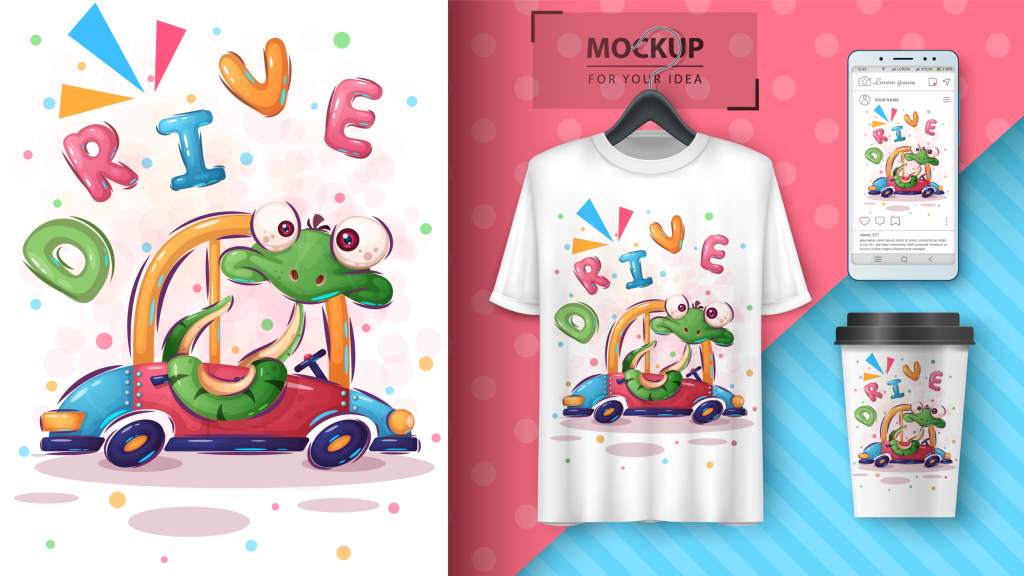
You can offer products like:
- T-shirts and hoodies
- Stickers and decals
- Art prints
- Tote bags and hats
- Mugs and home décor
It’s an easy way to create a semi-passive income stream, especially if you keep adding fresh designs to your catalog.
Why It’s a Smart Side Hustle
- Passive earning potential: Once your artwork is published, it can generate sales 24/7.
- Easy to test new niches: Explore styles like retro designs, minimalist art, funny quotes, or pet illustrations without financial risk.
- Perfect for designers: Great for creatives who want to monetize art without dealing with production.
Possible Challenges
The POD market can be competitive, so you’ll need solid branding, good SEO, and strong product photos to rise above the crowd. At first, it’s also normal for profit margins to feel a bit tight. However, as you refine your pricing, improve your listings, and choose better suppliers, your margins will naturally grow.
To begin, choose one niche to focus on (e.g., botanical line drawings, anime-inspired art, mid-century aesthetics) to make your shop feel cohesive. Then, create 10–20 products around that theme and publish them on platforms like Etsy, Shopify.
Finally, optimize your listings with keywords and use Pinterest or Instagram to drive traffic.
2. Offer Freelance Design Services
If you want a side hustle that can start bringing in income quickly, freelancing is one of the most dependable ways to do it. There’s a constant demand for strong visuals—companies, small businesses, and solo entrepreneurs all need design work, and many are ready to pay well for it. You can offer anything from logo and brand identity design to social media graphics, web design, UI/UX, pitch decks, packaging, or even custom illustrations. With platforms like Fiverr, Upwork, and Behance, getting in front of potential clients is easier than ever.
Why Freelancing Works
- Immediate income: You get paid per project, which makes this one of the fastest ways to earn money.
- High earning potential: Once you build a reputation, you can increase your rates or transition into retainers.
- Portfolio growth: Every project adds to your experience and credibility.
What to Expect
You’ll need to manage proposals, deadlines, revisions, and communication, and some clients may look for specific technical skills or niche expertise. To get started, create a simple online portfolio—even a one-page site is enough. Showcase your best work, outline your process, and list your service packages clearly. Once that’s ready, set up profiles on freelance marketplaces and begin pitching. Finally, after every project, ask for a testimonial and a referral; those small wins stack up over time and make it easier to land better clients.
3. Sell Digital Art and Design Assets
Digital products are one of the most scalable income streams for creatives. You make something once, and it can sell over and over without any extra effort. In fact, there’s a huge range of things you can offer—clip art, illustrations, font families, icon packs, Lightroom presets, Procreate brushes, Canva templates, social media bundles, printable wall art, and even pitch deck or brochure templates.
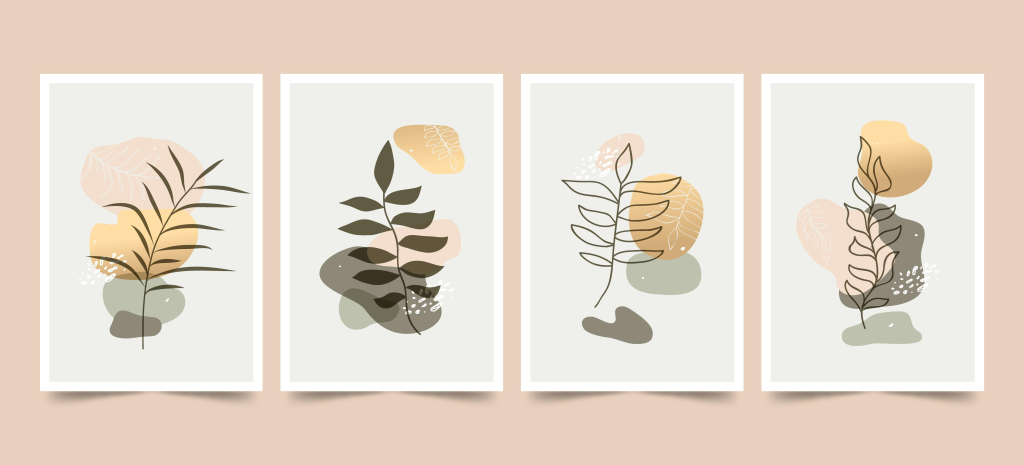
Additionally, the audience for digital products is broad. Marketers, brand designers, content creators, small business owners, and anyone who wants to improve their visuals quickly are always looking for ready-made, high-quality assets.
Why It’s a Powerful Side Hustle
- High profit margins: No shipping fees, no production costs, and instant delivery.
- Unlimited scalability: The same file can sell thousands of times.
- Great for portfolio building: It helps you explore styles and trends while earning money.
Possible Downsides
You’ll need to keep an eye on market trends because design styles shift fast, and what sells today might not move next month. Building traction can also take time, especially on big marketplaces where the competition is heavy.
A smart first step is to browse platforms like Creative Market, Etsy, Envato Elements, and Gumroad to spot what’s missing or what’s in demand. From there, consider creating themed bundles—think “Instagram templates for wellness coaches,” “vintage poster mockups for indie brands,” or “fitness business newsletter templates.”
Once your products are ready, publish them on a marketplace or on your own website, then promote them through Pinterest, TikTok, or Instagram to start driving traffic and sales.
4. License Your Photography and Short Video Clips
If you have a growing library of photos or videos sitting on your hard drive, licensing them can turn unused content into ongoing royalty payments. Brands, agencies, publishers, and creative teams are always searching for high-quality visuals—especially authentic, everyday moments like hands working, meals being prepared, cozy workspaces, nature shots, or lifestyle scenes of real people. As a result, your existing content may already be more valuable than you think.
The good news is, you don’t need to travel the world to get started. Simple, well-composed footage often performs better than staged, overly polished shoots.
Why Licensing Works for Creatives
- Long-term passive income: A single clip or photo can earn royalties for months or even years.
- Portfolio building: Your work may end up in major ad campaigns, websites, or commercials, increasing your credibility.
- Flexible and repeatable: Ideal for photographers and videographers who want a quiet, manageable side hustle.
The Drawbacks
The stock media world is competitive, so staying consistent with your uploads makes a big difference. Royalties per download are usually small, so this type of income grows slowly at first, but it builds steadily as your portfolio gets larger.
Start by choosing a few themes you can shoot often—maybe minimalist interiors, creative workspaces, nature trails, beauty flat lays, or urban lifestyle shots. Try to produce 20–50 assets in each batch so your collection grows quickly. Keep your edits consistent to develop a recognizable style.
Upload your work to platforms like Shutterstock, Adobe Stock, Getty/iStock, or Pond5. Then take those same clips and repurpose them into short-form videos for Instagram Reels or TikTok to increase visibility and drive more people to your portfolio.
5. Teach Online Courses or Design Tutorials
If people frequently ask how you create your work—your typography style, illustration technique, editing workflow, or even how you organize client files—you already have the foundation for an online course.
Teaching is an excellent way for creatives to transform their expertise into income, authority, and community. You record once and continue selling indefinitely.
Why Courses Are High-Value Side Hustles
- Builds credibility: Teaching positions you as an expert in your niche.
- Supports your service business: Students often become clients.
- Passive potential: Once your course is published, it continues generating sales without more filming.
Challenges to Expect
Creating a course takes time—especially the filming and editing—so expect a bit of a learning curve if it’s your first one. And because major platforms are crowded, your topic and teaching style need to stand out and genuinely solve a problem for students.
Start with whatever format feels most natural to you: short bite-sized tutorials, a multi-module class, a live workshop, or a skill-based mini-course. Outline three to five clear learning outcomes so students know exactly what they’ll walk away with. You can record with your phone or webcam; it doesn’t have to look cinematic, but do invest in a good microphone so your audio is clean. Edit your videos with beginner-friendly tools like Descript, CapCut, or ScreenFlow.
Once your course is ready, publish it on platforms like Skillshare, Teachable, Udemy, Podia, or your own website. Then promote it through blog posts, email newsletters, and short micro-tutorials on social media that point people to the full course.
6. Build a Social Media Content Brand
Turning your creative journey into content is one of the most effective ways to attract a loyal audience—and paying clients. People love seeing how designers work, not just the final result. By sharing your process, insights, and mini-lessons, you position yourself as the go-to authority in your niche.
This content-forward approach has helped many designers grow from freelancers to full-time creators, consultants, or social media educators.
Why It Works So Well
- Increases visibility: Consistent posting leads to more reach and more inquiries.
- Builds trust: When people see your expertise, they’re more comfortable hiring or buying from you.
- Opens new income streams: Sponsored posts, product sales, digital templates, consulting, and even brand collaborations.
Potential Downsides
Growth usually comes slowly at first, so expect the early months to feel quiet. Managing several platforms at once can also drain your creativity, so it’s better to focus on just one—Instagram, TikTok, or YouTube Shorts all work well for visual creatives.
Create a simple content plan built around things like design breakdowns, behind-the-scenes clips, day-in-the-life videos, short tutorials, or speed-art time-lapses. Edit with tools like CapCut, Adobe Premiere Rush, or InShot, and aim to post two or three times a week. Keep the focus on storytelling rather than perfection.
As your audience grows and people start asking questions or requesting help, you can naturally introduce your services, digital products, or course, turning your content into a steady income stream.
7. Start a Web Design Business
For creatives who enjoy blending aesthetics with functionality, starting a web design business can be one of the most profitable side hustles available. Every business—from local cafés to fast-growing startups—needs a professional website that reflects its identity, builds trust, and guides customers toward a purchase. When you position yourself as the designer who can deliver that experience, you create a service that clients are willing to invest heavily in.
Many designers package their offerings into full-service bundles that include design, development, SEO setup, and long-term website care plans. A single project often brings in more revenue than several smaller gigs combined, making web design an ideal side hustle for income stability and long-term growth.
Why Web Design Is a High-Value Creative Hustle
- To begin with, there’s significant earning potential: Web projects often start in the hundreds and can easily scale into the thousands.
- Additionally, you get built-in recurring revenue: Maintenance plans, updates, redesigns, hosting management, and add-on services can all create predictable monthly income.
- Finally, the results are clear and measurable: You help businesses look professional, attract customers, and improve online performance—value that’s easy to justify and charge for.
Challenges to Be Aware Of
Without clear boundaries, web design projects can easily spiral into endless revisions or extra requests, so it’s important to set expectations early. You’ll also need both design and technical skills to deliver sites that look good and function smoothly.
Choose the platforms you want to specialize in—Webflow, WordPress, Shopify, or Wix—and build a few demo sites that highlight different styles or industries. Create a transparent pricing page that outlines your packages, deliverables, and timelines. From there, reach out to small businesses, agencies, or founders through Upwork, LinkedIn, or local business groups.
After each project, put together a detailed before-and-after case study with screenshots, goals, and measurable results. These case studies become strong marketing tools that help you attract better, higher-paying clients over time.
8. Offer Creative Consulting or Mentorship
If you’ve accumulated experience in design, branding, marketing, or freelancing, you can turn your insights into a consulting or mentoring business. Many aspiring creatives struggle with portfolio building, client acquisition, design critiques, or career direction—and they’re more than willing to pay someone who has been through the journey.
Creative consulting is essentially a blend of coaching and problem-solving. Whether you’re helping beginners break into the industry or advising small businesses on their visual identity, you become the expert guiding others through decisions you’ve already mastered.
Why Creative Consulting Works as a Side Hustle
- Establishes you as a leader: Teaching others naturally elevates your authority and visibility in your field.
- Strengthens client relationships: Consulting clients often transition into long-term design clients or collaborators.
- Improves your own skills: Explaining your process helps you refine and articulate your creative thinking.
Possible Drawbacks
This type of side hustle depends heavily on your availability, since your income grows with the number of hours you can commit. Good consultants don’t just rely on expertise—they bring structure, empathy, and thorough preparation to every session.
To start, define exactly what you offer: portfolio reviews, creative direction sessions, branding audits, mentorship calls, or career coaching. That way, clients know the specific outcomes they’ll walk away with after each session. Next, set up a simple booking system through Calendly, Notion, or TidyCal, and host your calls on Zoom or Google Meet.
After each meeting, send a personalized follow-up summary, along with templates or checklists to strengthen the client experience. Eventually, as your client base grows, start turning the questions you’re asked most often into mini guides, templates, workshops, or full courses. This lets you scale your expertise without adding more hours to your schedule.
9. Start a YouTube Channel or Design Podcast
If you enjoy teaching, storytelling, or showing how you work, starting a YouTube channel or a design-focused podcast can turn into a strong long-term asset. These platforms help you build an audience that trusts your voice and values your perspective. Over time, your videos or episodes become an evergreen marketing engine that attracts clients, students, sponsorships, and passive income opportunities.
Your content can cover anything from design tutorials and tool reviews to industry trends, freelancing advice, or honest behind-the-scenes conversations about creative life. When you share your journey openly—the wins, the challenges, the lessons—it resonates with both new creatives and business owners who are looking for real guidance.
Why YouTube or Podcasting Pays Off
- Audience growth compounds: Your content keeps working for you long after you publish it.
- Multiple income streams: Earn from ads, sponsorships, affiliate links, digital products, or client referrals.
- Stronger brand authority: Consistent content positions you as a trusted creative professional.
What to Keep in Mind
Building traction takes time, so consistency is everything. Content creation also requires steady effort—planning, filming, editing, and posting—so it helps to start with a clear, simple plan.
Map out six videos or podcast episodes around one focused theme, whether it’s learning design software, freelancing tips, brand strategy, or portfolio building. Use a decent microphone and a basic ring light to keep your quality clean and professional. Edit with tools like DaVinci Resolve, Adobe Premiere, or Descript, and aim to publish weekly or every other week.
Make it a habit to respond to comments and questions; they’re a great source of inspiration for your next topics. As your audience grows, you can gradually introduce your services, templates, or courses in a natural, value-first way without feeling salesy.
10. Sell Designs for AI Marketplaces
As AI tools continue reshaping the creative world, a brand-new opportunity has emerged for designers who enjoy blending art with technology: selling digital assets tailored for AI platforms. Instead of traditional design files, you can create prompt packs, image templates, style guides, and AI-generated visual collections that other creators, marketers, and business owners can use to speed up their content production.
This side hustle is perfect for creatives who love staying ahead of the curve. If you specialize in a particular aesthetic—such as interior mockup scenes, cinematic portraits, sci-fi branding, children’s book illustration styles, or editorial compositions—you can quickly carve out a profitable niche.
Why Selling AI Designs Is a Breakthrough Side Hustle
- Lower competition: Compared to saturated marketplaces like traditional stock photo or template platforms, AI-focused marketplaces are still growing.
- Great for experimental creatives: If you enjoy prototyping, testing styles, or working with emerging tools, this hustle keeps you creatively energized.
- Flexible and scalable: Create at your own pace, upload when ready, and watch your catalog bring in recurring sales.
Potential Challenges
AI marketplaces move quickly, so staying updated on new tools, features, and visual trends is essential. You’ll also need to communicate usage rights clearly, since many customers aren’t familiar with how AI licensing works.
Start by experimenting with platforms like Midjourney, DALL·E, Stable Diffusion, Krea, or Leonardo AI to create themed design sets. These could be interior design mockups, brand photography styles, futuristic concept art, mood board collections, character sheets, or storytelling prompts. Once you’ve built a few sets, list them on platforms such as PromptBase, Etsy, Creative Market’s AI section, or your own online store.
Maintain a steady social media presence by sharing timelapses, quick tutorials, or AI transformation clips. Refresh your marketplace listings monthly—consistent updates boost visibility and help position you as a creator who stays ahead of trends.
11. Become an Affiliate Marketer
Affiliate marketing is one of the easiest—and most overlooked—side hustles for creatives who already publish content online. Whether you’re posting tutorials, sharing your workspace setup, reviewing design tools, or showcasing client projects, you can earn commissions simply by recommending resources you genuinely use.
You’ve likely seen plenty of “link in bio” recommendations on Instagram, TikTok, and YouTube. Behind every one of those links is someone earning passive income each time a follower makes a purchase or signs up through their referral.
Why Affiliate Marketing Works for Creatives
- Passive, compounding income: Once your content is published, it can generate commissions long after you create it.
- Natural fit for tutorials and design content: If you already create educational or workflow-based content, affiliate recommendations feel organic—not salesy.
- Pairs well with multiple hustles: You can integrate affiliate links into blogs, YouTube videos, digital products, email newsletters, or portfolio resources.
What to Expect
Growing affiliate income takes steady publishing and an audience that trusts your recommendations. Most programs pay monthly, so it can take a bit of time before the earnings start to add up.
Start by listing the top five to ten tools you use every day. These might include your design software, project management apps, online marketplaces, print-on-demand platforms, hosting providers, or course tools.
Join their affiliate programs—most of them are free. Then weave your links into helpful content such as tutorials, blog guides, comparisons, YouTube reviews, resource lists, or case studies.
As your audience expands, turn all of these recommendations into a dedicated resource hub on your website. A well-built hub becomes a long-term asset that keeps generating passive income with very little ongoing effort.
How to Start a POD Side Hustle Selling Custom Products with Printify
Print-on-demand (POD) is one of the easiest ways for creatives to turn their artwork and ideas into physical products. You don’t need to manage inventory, handle shipping, or place bulk orders. Because of this, it’s an ideal business model for anyone who wants to start selling without upfront costs or logistical stress.
If you’re looking for a beginner-friendly platform, Printify is a great place to start. It offers a large product catalog, high-quality print providers around the world, and smooth integrations with popular eCommerce platforms. Plus, its user-friendly workflow makes it easy to launch products quickly.
With that in mind, here’s a simple, step-by-step overview of how to launch your Printify side hustle and start selling custom products online.
1. Sign Up for Printify (It’s Completely Free)
Getting started with Printify is simple and doesn’t require any upfront investment. Just create a free account and start browsing their catalog of more than 1,300 customizable products. There’s something for almost every niche and design style—T-shirts, hoodies, activewear, phone cases, accessories, tote bags, stickers, stationery, home decor, wall art, pet products, puzzles, games, and plenty of unique gift items.
Choose products that align with your audience and match the aesthetic you want to be known for, whether that’s minimalist line art, bold statement graphics, retro-inspired visuals, or highly niche merchandise.
2. Design Your Custom Products
Printify’s Product Creator makes designing incredibly straightforward, even if you’re brand new to print-on-demand. You can upload your own illustrations, graphics, or photos, use the built-in AI tools to generate fresh concepts, create seamless patterns, add text and shapes, and even tap into a library of free design resources.
Once your design is ready, you can preview it on realistic mockups to see exactly how it will look on the final product. This step helps you create clean, professional listings that convert far better.
Pro tip: Start with one cohesive style or niche. A focused shop attracts the right customers much faster and helps you build a recognizable brand from day one.
3. Publish and Sell Your Products Online
After you’ve created your designs, the next step is to connect Printify to your preferred sales channel. Fortunately, the platform integrates easily with all the major options—Etsy, Shopify, TikTok Shop, WooCommerce, Squarespace, and even Printify’s own Pop-Up Store if you don’t want to build a website.
Once everything is connected, you can set your prices, write SEO-friendly product descriptions, and publish your listings. From there, Printify takes care of printing, packaging, and global shipping every time an order comes in.
At this point, your role shifts to the fun part: marketing, storytelling, and building your audience. To do this effectively, use social media, email newsletters, or a niche blog to attract the right customers. Ultimately, the more focused your marketing is, the faster your store will grow.
Final Thoughts: 11 Best Side Hustles for Creatives & Designers
Every creative person carries a blend of skills, ideas, and experiences that someone out there is actively searching for. Whether your strength is design, illustration, photography, writing, or digital creation, there’s a side hustle that can turn those talents into real income. To begin, the key is to pick one idea, customize it to fit your style, and commit to learning as you go. Little by little, small, consistent steps lead to big results.
Moreover, each side hustle in this guide has the potential to help you earn passive income, attract better-paying clients, or build a long-term creative business. You don’t need to quit your job or overhaul your entire schedule—instead, you simply need to start, test, and refine.
If you’re ready to take things further, launching your own products with a Printify POD shop is one of the easiest ways to begin. Start by creating a small, intentional product collection. Then, watch what your customers respond to and improve your designs as you go.
Over time, this simple approach builds trust and repeat buyers. It also creates a steady income stream. Your creativity becomes an asset that works for you around the clock.
Ultimately, when you combine curiosity with action, your creative side hustles can grow into something meaningful, profitable, and uniquely yours. So, let this be the moment you take that first step.